When it comes to protecting buildings from the destructive forces of earthquakes, seismic braces play a crucial role in keeping structures standing. These braces are designed to minimize damage and ensure the safety of occupants during seismic events by providing additional support and stability. In this article, we will explore the importance of seismic braces and how they are used to strengthen buildings against earthquakes.
seismic braces, also known as seismic bracing systems, are structural elements that are installed in buildings to reduce the impact of lateral forces caused by earthquakes. These forces can cause buildings to sway, tilt, or collapse, posing a serious threat to the safety of occupants. seismic braces are typically made of steel or other high-strength materials and are strategically placed throughout a building to provide added stiffness and strength.
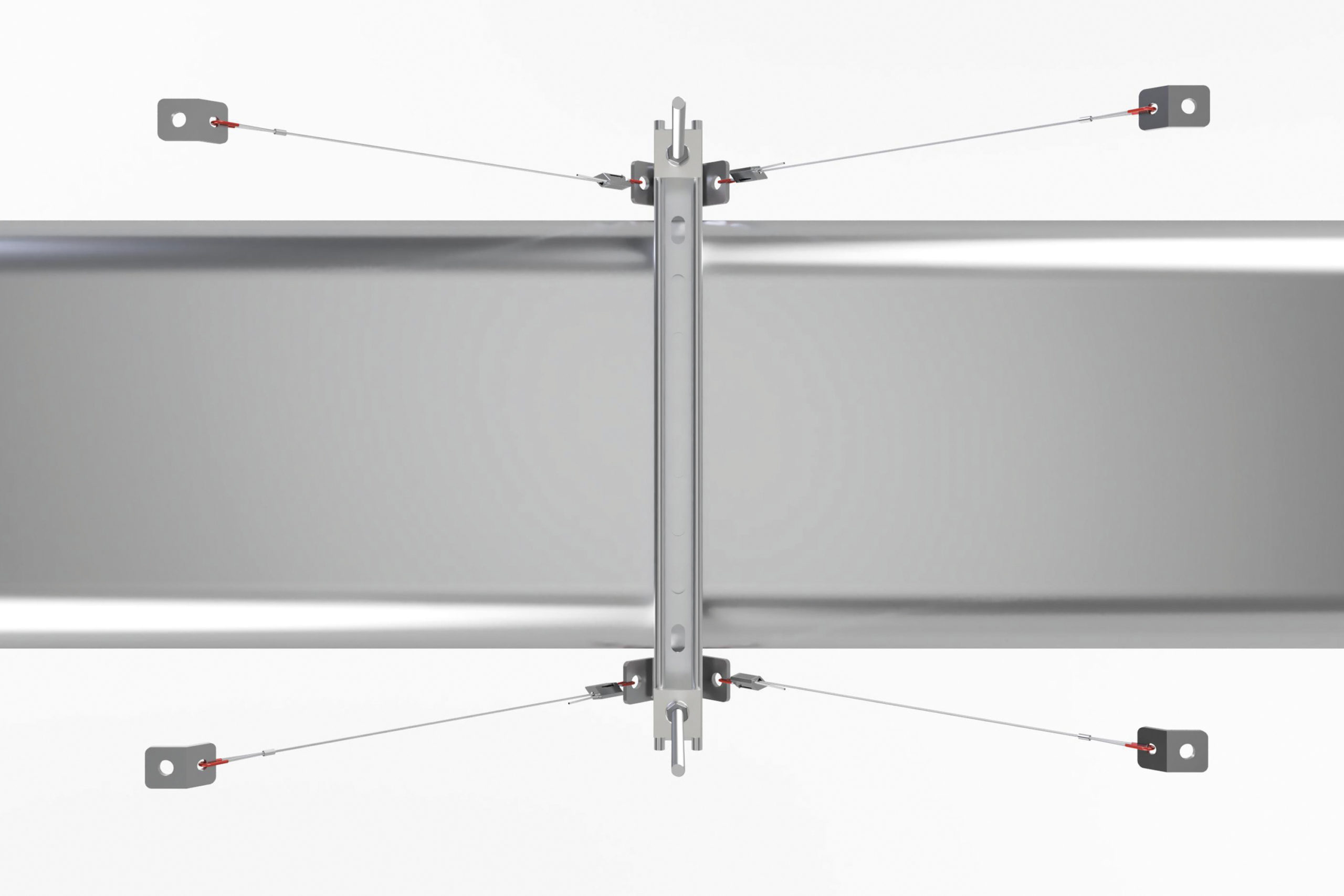
One of the main functions of seismic braces is to transfer lateral forces from the building’s structure to the ground, effectively dissipating the energy generated during an earthquake. By doing so, seismic braces help to prevent excessive movement and deformation of the building, reducing the risk of structural failure. Additionally, seismic braces can help to redistribute loads and prevent localized damage to key structural elements, such as columns and beams.
There are several different types of seismic braces that are commonly used in building construction. One popular type is the buckling-restrained brace, which consists of a steel core encased in a rigid casing to prevent buckling under compressive loads. This type of brace is known for its high strength and energy absorption capacity, making it a popular choice for seismic retrofitting projects. Other types of seismic braces include eccentric braces, concentric braces, and diagonally-restrained braces, each with its own unique characteristics and advantages.
In addition to providing enhanced structural stability, seismic braces also play a critical role in ensuring the safety of building occupants during earthquakes. Buildings that are equipped with seismic bracing systems are more likely to withstand seismic events without sustaining significant damage, reducing the risk of injury or loss of life. By strengthening the structural integrity of a building, seismic braces help to minimize the potential impact of earthquakes on the surrounding community and infrastructure.
The installation of seismic braces is typically carried out as part of a seismic retrofitting project, which aims to improve the seismic performance of existing buildings. During the retrofitting process, engineers assess the structural integrity of a building and identify areas of weakness that require reinforcement. seismic braces are then installed at key locations throughout the building to address these vulnerabilities and enhance the building’s ability to withstand seismic forces.
While seismic braces are primarily used in high-risk seismic zones, they can also provide benefits in regions that are not traditionally prone to earthquakes. By strengthening buildings against a range of potential hazards, including high winds and snow loads, seismic braces can help to improve overall building resilience and safety. Building owners and developers are increasingly recognizing the importance of incorporating seismic bracing systems into their construction projects to protect their investments and ensure the longevity of their buildings.
In conclusion, seismic braces are essential components of modern building construction that play a vital role in reducing the impact of earthquakes on structures and ensuring the safety of occupants. By providing added support and stability, seismic braces help to strengthen buildings against lateral forces and minimize the risk of damage and collapse. As the threat of earthquakes continues to be a concern in many regions around the world, the use of seismic bracing systems will undoubtedly become increasingly important in safeguarding buildings and communities from the destructive forces of nature.